Type of Art Thats Hard to Distinguish Up Close
We often hear that when information technology comes to making art, information technology's important to experiment. While I wholeheartedly agree with this, I've found from personal experience that it'due south much more satisfying and productive to experiment with guidance. I love to play around with different markers, pens, and paints, for example, simply it'south so much more helpful to talk with someone who has already used a wider variety. Then I can get at to the lowest degree a general idea of how the supplies perform, if they'll assist me make the art I want to create, and if they're worth purchasing.
The same thing goes for surfaces, so today I'd like to share with you an article past Greg Albert from The Artist'south Mag.You'll acquire everything you demand to know about the types of art paper, plus canvases and panels. Then, you can apply this noesis to the exercises and tips you'll notice in the Surface and Texture Exploration Kit.
Get a free Guide to Drawing with Charcoal, Graphite, and Conté Crayons when y'all sign upwardly for the ArtistsNetwork newsletter for ideas, inspiration and instruction.
[fw-capture-inline campaign="RCLP-confirmation-charcoal-drawing" thanks="Thanks for downloading!" involvement="Art" offer="https://media2fwpublications.s3.amazonaws.com/NLS/ARNfreemiums/ArtistsNetwork_CharcoalDrawing_2015.pdf"]
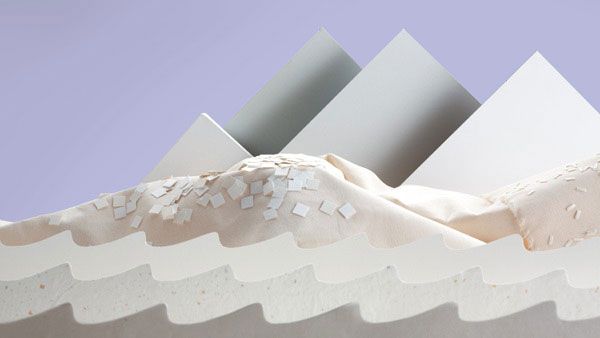
On the Surface: Find the right substrate in our primer on art newspaper, canvass and panels.
By Greg Albert
When you buy fine art supplies, you want to get the best value for your coin. To make the smartest choices, you need to be intimately familiar with the materials you lot buy and utilise. This guide will assist y'all make wiser decisions about the surface y'all draw and pigment on–whether it'south newspaper, canvas or panels. Goose egg replaces the knowledge that comes from your own feel, then it's worthwhile to experiment with a big assortment of substrates to discover out what works best for you.
Paper without a dubiousness is the most common and popular surface for artists to work on. Compared to the cost of what you lot put on the paper (charcoal, graphite, inks, pastels or paint) and the tools you lot use (brushes, pens or markers), paper is relatively inexpensive.
Paper is fabricated of found fibers, most commonly cotton or wood, simply too other fibers, such as rice, straw, flax and hemp. All natural materials are subject to disuse over fourth dimension, which is an of import consideration for the artist. Calorie-free, rut, humidity and pollutants all contribute to this process. When looking for paper that volition stand the test of time, bank check for the words cotton rag, alpha cellulose or lignin-free.
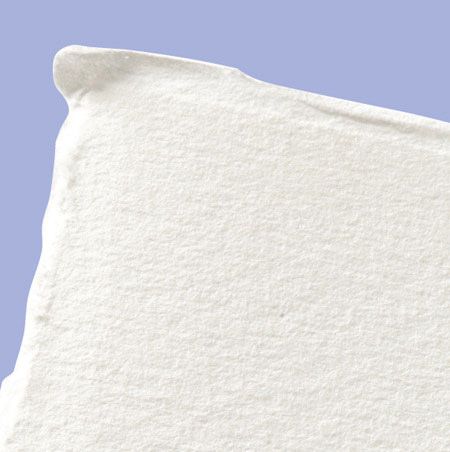
Handmade paper is fabricated by dipping a wooden frame with a fine screen (called a deckle) into a vat of lurid–a mixture of water and cotton, forest pulp or other fibers. Subsequently the water runs off, the canvas of pulp is removed from the screen and pressed between layers of felt to dry. The paper might and then be processed further by beingness run through rollers. One sign of handmade paper is deckle edges, which are uneven or ragged.
Machine-made paper is produced on a Fourdrinier machine or a cylinder mold machine. In a Fourdrinier machine, a conveyor belt made of wire mesh pulls pulp through the procedure. The continuous sheet is dried and pressed as it passes through many rollers and is finally wound into large rolls. A cylinder mold machine works in a similar style; the resulting papers are described as mould-fabricated.
Machine-fabricated newspaper is more regular, smoother and often less expensive than handmade paper. But surface quality is ever adamant by the screens used. Many papers have what's chosen a laid finish, formed by the fine design of the wire screen. The thickness of paper is also determined in the manufacturing process. The thickness is indicated by weight.
NOTE: The give-and-take paper is derived from papyrus, the proper name of the plant whose fibers the ancient Egyptians used to create a writing surface:
- Wood-based papers: These less-expensive art papers are suitable for practice work in dry out media.
- Cotton rag: This high-quality paper is suitable for dry media, watermedia (when sizing is added) or acrylic and oil (when heavy and primed).
- Coated papers: These ground-coated, velour and sanded papers provide more tooth and grab the filaments of dry media like pastel.
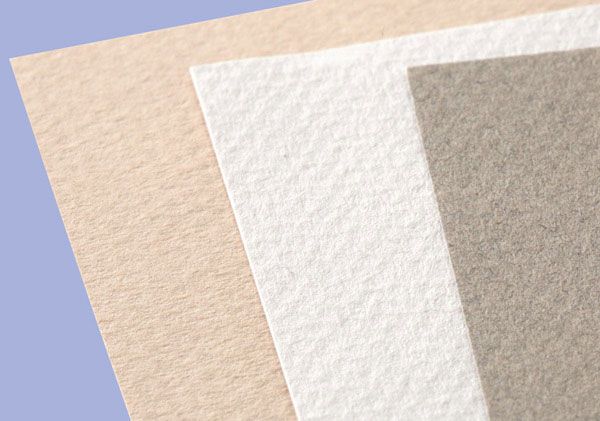
Wood-based papers:
Cheaper paper fabricated from wood pulp is suitable for dispensable work. When you're practicing your techniques rather than producing a piece of fine art, the permanence of the paper isn't a major business, though price might exist. Newsprint is an excellent choice; information technology's cheap and receptive to virtually dry out media, such as graphite, charcoal, crayons and colored pencil. Information technology'southward not suitable for wet media, however. Newsprint not only buckles when moisture, it also darkens temporarily, making color and value judgment difficult. Newsprint shows signs of deterioration within a few years.
Then-chosen drawing papers and sketchbooks are often made of wood-based paper, or a mix of wood and cotton fibers. Alpha cellulose paper is made of especially treated forest fibers and is longer-lasting than other wood pulp papers. The quality is ofttimes comparable to that of cotton rag papers.
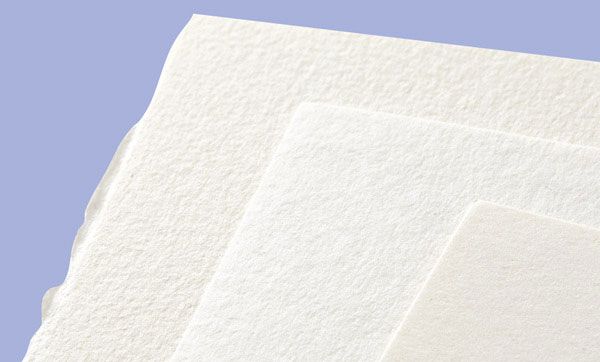
Cotton wool rag:
For the piece of work you want to keep or sell, use loftier-quality paper made from cotton fiber rag. If you lot're using dry media such as graphite, charcoal or pastel, the paper's texture and color will exist the most of import considerations. If you're working with liquid media such as watercolor, ink or markers, the paper's absorbency and weight will also be factors to think almost.
Drawing paper made from cotton fibers is the obvious option for dry media such as graphite and charcoal, and there are many such papers to choose from. They come in private sheets and in pads or spiral bindings. Paper described as drawing or sketch paper is usually white and comes in a variety of surface finishes, from polish to crude. Surface texture is also called tooth, referring to how the surface holds particles of graphite, charcoal or pastel. The softer your medium, the more than tooth you want. Shine paper is nifty for graphite, just it doesn't concord charcoal or pastel likewise as cartoon newspaper with a rougher texture.
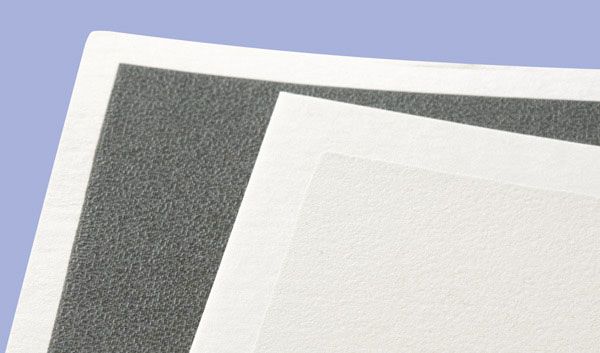
For those softer mediums, expect for paper with more texture, often called charcoal or pastel paper. Canson Mi-Teintes, Canson Ingres, Strathmore 500 Series and Fabriano Tiziano are skillful choices for charcoal also equally graphite. Canson, Strathmore and Fabriano also produce heavyweight paper ideal for acrylic pigment.
Handmade and mould-made, 100-percentage cotton rag watercolor papers are among the finest art papers. They're still produced today as they have been for centuries by Arches, Fabriano, Saunders Waterford, Twinrocker and others. When the newspaper is made, it'southward allowed to dry without passing through rollers; hence, the surface is very irregular and referred to every bit rough (or "non," as in not pressed). If the newspaper is pressed betwixt unheated rollers, the surface becomes smoother just still retains a noticeable texture; this is called cold pressed. If the newspaper is passed between hot rollers, the surface of the newspaper becomes smooth and hard and is labeled hot pressed.
Gelatin sizing is often added to watercolor paper, either to the pulp or to the final sheets. Sizing makes the paper stronger and also water-resistant; without sizing, the newspaper would act like a behemothic blotter, soaking up everything information technology came in contact with. (Most papers contain some sizing.)
Newspaper Weights:
Paper is measured in gsm (grams per foursquare meter) or lb (pounds per ream—a ream is 500 sheets of paper). Comparison gsm and lb measurements is like comparison apples to oranges—there's no straight conversion.
Papers suitable for dry media are 60 to 90 lb. Heavier paper withstands more vigorous techniques and manipulations. Bristol board is a heavier sheet (eighty to 140 lb) that comes in a smooth (vellum) or ultra-polish (plate) terminate. Heavy watercolor paper—especially rough, 300-lb paper primed on both sides—is a good surface for acrylic or oil paintings.
Coated newspaper for artists: Most papers suitable for charcoal work well for pastel—especially colored charcoal newspaper. Simply papers such as Hahnemühle velour and Bugra, Amalfi handmade pastel papers and Sennelier Papier Carré, made especially for pastel, have surface textures ideally suited for the medium. Some papers have a ground coating that really grabs pastels, such every bit Sennelier La Menu pastel card, Wallis sanded pastel newspaper, UArt sanded pastel newspaper, Ampersand Pastelbord and Art Spectrum Colourfix Supertooth lath.
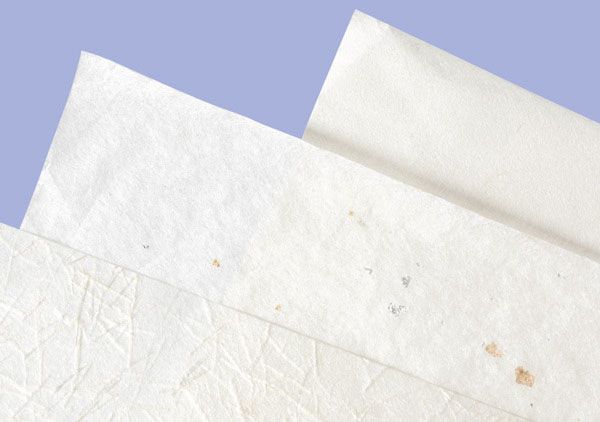
Nontraditional art papers: There'due south a fascinating variety of specialty papers made from fibers other than cotton or wood bachelor. Fragile Japanese papers fabricated from kozo (mulberry), mitsumata and gampi fibers are especially good for printmaking and collage.
Yupo constructed paper is fabricated from polypropylene, which doesn't absorb paint as organic fibers do. With synthetic paper, the artist tin can manipulate paint on the surface to create interesting effects.
Stretching:
- Watercolor Paper: Saturate the newspaper past soaking it for several minutes in absurd water.
- Canvas: Using stretcher bars, staple or tack the center of i side; staple the center on the reverse side; repeat. You'll have a taut diamond shape with four loose corners. Starting from the heart, staple each side. Fold the extra canvas at the corners and staple the folds.
Canvas
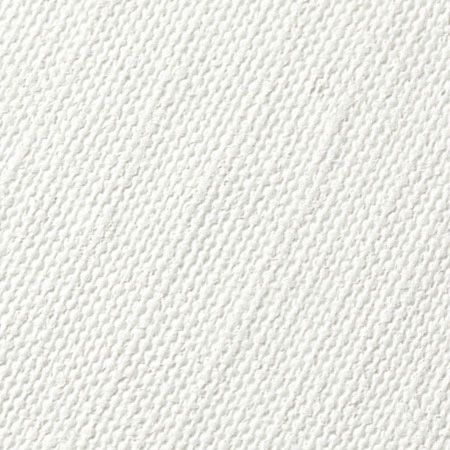
The traditional and time-honored surface for paintings is sheet. Artists have been pigment- ing on stretched canvas using paints basis in linseed oil for centuries. Stretched canvas is lightweight (and therefore portable) and relatively inexpensive. Nada compares to the experience of painting with a high-quality brush on well-stretched canvas.
Artist's canvas is made from cotton or linen; it's sold primed or unprimed and comes in rolls, pre-stretched or mounted on panels. Cotton canvas, sometimes called cotton duck (from doek, the Dutch word for canvas), is less expensive than linen. Linen is fabricated from the flax plant, the same source equally linseed oil. Canvas comes in rolls in a diverseness of widths and weights: Generally, lightweight sheet is 4 to 6 ounces, medium-weight is 7 to ix ounces, and heavyweight is 10 to 12 ounces.
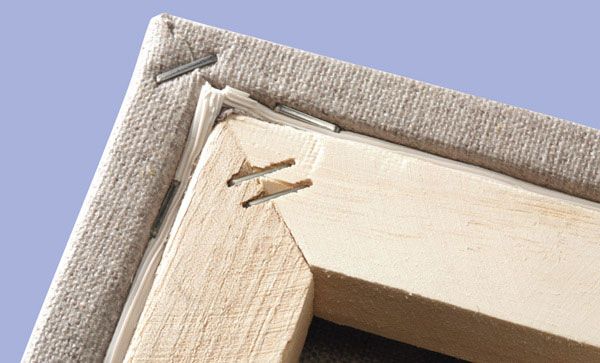
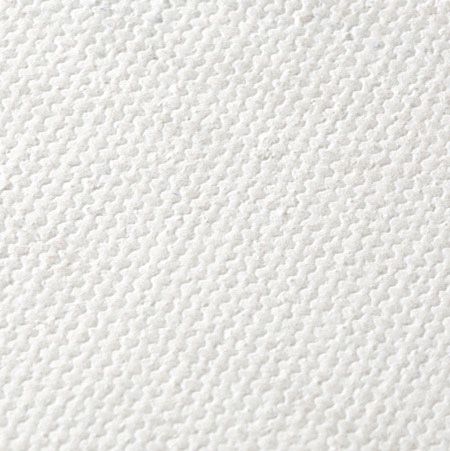
Raw, untreated sail must non come directly in contact with oil pigment, which causes the fabric to rot. Traditionally, canvas was sized with glue fabricated from rabbit skin and primed with lead-based paint. Now artists tin cull to stretch raw canvas and prime information technology with several coats of acrylic gesso, or utilize canvas prepared with an acrylic or oil primer. Stretching a sheet properly can exist an exacting process just not a difficult one. The more you lot do it, the easier it gets. For a lucid explanation, consult Phil Metzger's Artist's Illustrated Encyclopedia (North Lite Books, 2001). In any case, pre-stretched canvases or sheet panels provide a convenient and economical option.
Pre-stretched canvases come in a wide variety of sizes, thicknesses and textures, ranging in quality from inexpensive to the quotient for professional piece of work of the highest permanence. As is more often than not truthful with art materials, y'all get what y'all pay for. For good quality pre-stretched canvases at an affordable toll, look for 7-ounce cotton wool primed with acid-complimentary gesso and back-stapled on solid wood stretcher bars. For the next stride upwards, look for linen (preferably Belgian) double-primed and back-stapled on heavy, kiln-dried bars.
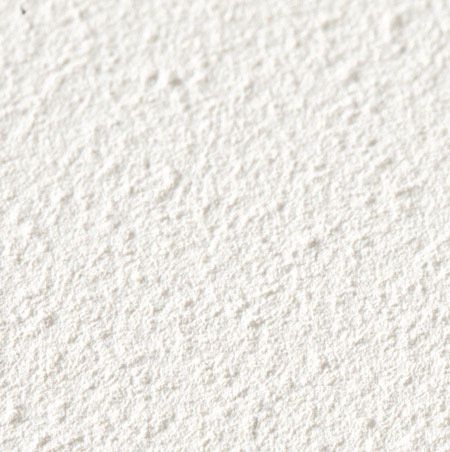
Priming Canvas: Acrylic
Panels
An attractive alternative to using stretched sheet is painting on panels, which are made of diverse materials. Panels provide a rigid, stable substrate non field of study to the movement that can atomic number 82 to cracking on stretched canvases. Panels are made out of solid forest such as maple and birch, or out of plywood, medium- density fiberboard or acrid-free hardboard. Panels come up unprimed or pre-primed. You tin buy panels cradled on a wooden frame for extra rigidity. There are too panels with canvas or watercolor newspaper mounted on the surface.
Unprimed panels can exist prepared with several light coats of acrylic
Go a gratis Guide to Cartoon with Charcoal, Graphite, and Conté Crayons when y'all sign upwardly for the ArtistsNetwork newsletter for ideas, inspiration and education.
[fw-capture-inline entrada="RCLP-confirmation-charcoal-drawing" thanks="Thanks for downloading!" interest="Art" offer="https://media2fwpublications.s3.amazonaws.com/NLS/ARNfreemiums/ArtistsNetwork_CharcoalDrawing_2015.pdf"]
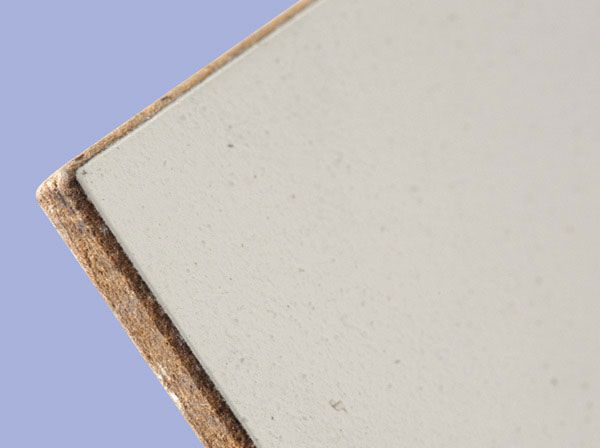
Sail panels consisting of cheap canvas glued to cardboard are neither permanent nor warp-resistant and are suitable only for practice. Most pre-stretched canvases, canvass panels or artist's boards come up with a medium texture. Adding extra layers of gesso, lightly sanded between coats, produces a smoother surface, which is conducive to portrait piece of work.
Types of panels:
- Wood panels: Birch or maple console primed with several coats of acrylic gesso provides an unyielding surface suitable for finely detailed work.
- Clayboard panels: This rigid hardboard is coated with fine kaolin clay, producing either a textured or a smoothen surface.
- Art Lath panels: This acrylic-primed panel is suitable for painting with oil or acrylic.
The satisfaction y'all get from your fine art will be greater knowing you lot're working on the right surface. Proceed in mind that most drawing and painting media work on well-nigh surfaces, and experimenting can be both artistic and instructive. I think you lot'll observe that when you've institute the right surface, diving deep into your artwork is easy.
GREG ALBERT is an artist and instructor in Cincinnati, Ohio. He is the author of The Simple Clandestine to Better Painting and he is a regular contributor to The Artist's Magazine.
Source: https://www.artistsnetwork.com/art-techniques/guide-to-art-paper-canvas-and-panels-find-the-right-substrate-for-your-artwork/
0 Response to "Type of Art Thats Hard to Distinguish Up Close"
Post a Comment