Black Carbon, Deforestation, and Beef Production Have Been Identified as Causes of
Cattle Do Crusade Climate change
But not in the mode you might call up….
Allow'due south talk virtually U.s.a. Beef production and its impact on our environment, our world, and our future.
During their entire life cycle from pasture to plate (that includes feed production, fuel, electricity, etc.) beef cattle make up 3.3% of Us Greenhouse Gas (GHG) emissions. Compare that to transportation (25.3%) and electricity (29.vii%) which make upwardly over 55% of the United States GHG emissions, cattle are barely a drop in the bucket. US Beef only accounts for .47% of global GHG emissions. Yup, that's right, less than one-half of 1 percent!
Where do those GHGs come up from?
Cows don't fart…
Methyl hydride, the main GHG attributed to cattle is really from cow belches (and somewhat manure production). Cows consume plants which are total of carbon. Cattle release backlog carbon in the course of marsh gas (CH4) past expelling information technology through their mouth. This methane enters the atmosphere where, in about 10 years time, it is oxidized to carbon dioxide (CO2). The carbon dioxide is then reabsorbed by plants during respiration, or absorbed by the bounding main. This natural cycle operates perfectly, if information technology stays counterbalanced. So what is throwing it off?
Fossil fuel production, which dredges up carbon stored deep in the earth, and other sources of emissions are throwing the carbon residual off. This off-kilter scale is exhibited by the large contribution of GHG emissions by the transportation and electricity industries, the master users of fossil fuel. 1 gallon of fossil fuel produced equals 20 pounds of carbon dioxide released into the environment!
And then yeah, cows do release marsh gas. Cows release methane because of their unique digestive arrangement set up, a system that makes them incredibly valuable to sustainable food production.
Ruminate on This!
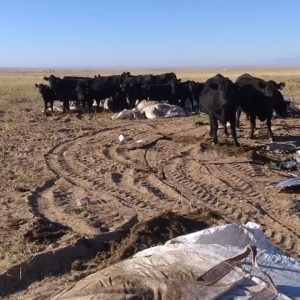
Did you know that cattle produce 19% more homo-edible poly peptide than they eat in their lifetime? Cattle are upcyclers! They take nutrients that are in a human-inedible grade, like grasses, and plow it into 1 of the top nutrient sources available to united states! Cattle also recycle byproducts from other industries. Rations (diets formulated for cattle) often include materials from other industries that otherwise would have gone to the landfill. These ingredients could exist citrus pulp from orange juice production, cotton seed hulls from cotton fiber production, hemp fiber from hemp oil extraction, distillers grains from alcohol production, even candy that is deemed unmarketable (spilled Skittles) can be fed to cattle! Cattle take resource that would otherwise be sent to the landfill and turn it into human being-edible poly peptide. Since landfills cause almost 2.two% of GHG emissions in the US, cattle are really working to reduce GHG every day!
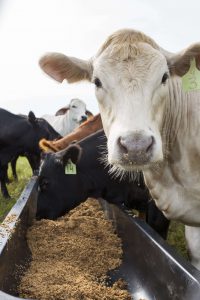
The small corporeality of products that are fed to cattle that are human-edible (mainly corn), are used to increase the sustainability of cattle. Grain-fed cattle achieve market weights faster thereby using less resources, like country and water, in their lifetime. Grain-finished cattle prove between a 18.5% to 67.5% lower carbon footprint when compared to grass-finished beef. These differences can be contributed to the high energy feed allowing for faster growth, shorter fourth dimension in the finishing phase, and higher carcass weights at harvest, meaning more beef with less inputs! Grass-finished beef can reduce their carbon footprint past 42% if they use fodder from grasslands that sequester carbon.
Use Less, Waste Less. Information technology's What We Do!
- Per pound of beef carcass weight, cattle simply consume 2.6 pounds of grain, which is similar to pork and poultry.
- Corn used to feed beef cattle simply represents approximately 9 percent of harvested corn grain in the U.S., or 8 million acres.
- On average, it takes 308 gallons of h2o, which is recycled, to produce a pound of boneless beef. In total, water use by beefiness is only around 5 percent of U.S. water withdrawals.
- Total fossil energy input to U.Southward. beefiness cattle production is equivalent to 0.7 percentage of total national consumption of fossil fuels.
It's Not All About The Beef
Cattle don't but provide the states with loftier quality protein source. Byproducts from beef production are all around u.s., in products nosotros use every single day. 99% of every carcass is used, whether for meat or other products.
Leather
From one moo-cow hibernate you can get
12 basketballs
144 baseballs
xx footballs
18 volleyballs
18 soccer balls
or 12 baseball gloves!
Food
Did you know gelatin comes from connective tissues of the beef animal? Gelatin is included in products like Clot-O, gum, fruit snacks, and marshmallows! These industries rely on the beef industry to create their product.
Medical Products
Stearic Acrid, found in fatty acids of the cattle are used to create many medical products. Ointments for burns and showtime assist creams also use products from cattle. Even the adhesive part of bandages come from cattle! Cattle are also used to harvest anti-rejection medications for transplant patients, and for insulin for diabetics.
Driving
Did you know asphalt contains a binding agent from beef cattle? Your tires contain stearic acrid to maintain their elasticity, antifreeze contains glycerol, fifty-fifty your brake fluid contains animal byproducts! Luxury vehicles with leather seats are utilizing cattle every day.
Cattle are an essential function of our every day life, not only for the beef, but also for the thousands of products they are incorporated into! Learn about more products fabricated from cattle here: http://beef2live.inetsg.cyberspace/story-beef-byproducts-products-beefiness-cattle-219-107220
Ecosystem Services
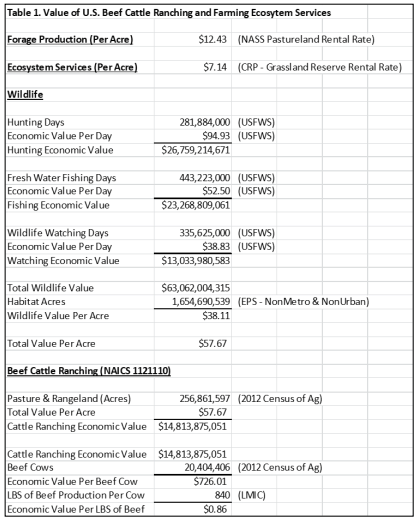 America has 770 meg acres of rangeland unsuitable for crop cultivation simply perfect for cattle. Rangeland and pasture land create valuable open spaces for humans to enjoy for recreation and outdoor activities. Ecosystem services provided past cattle ranching in the U.South. has an estimated economic value of $14,813,875,051. That's $fourteen billion dollars that American ranches volition never see. For every pound of beefiness that ranches craft for consumers approximately $0.86 worth of ecosystem services is generated. Learn more about ecosystem services here.
US Beef versus Global Beef
Beef from the United States is by far the nigh productive and efficient form of beef product. The United States creates 18% of the worlds beef products with just 8% of the global cattle herd. This productivity can exist attributed to college quality feeds, less heat stress, improved beast genetics and reproduction, and faster growth. If U.s. beef product practices were instilled on a global scale, the global herd would reduce by 62% while still producing the same amount of beef! Us Beef contributes between 50 and 250 units of CO2 equivalent per pound of protein, while continents like Africa and Republic of india produce 1000 to 2500 CO2 equivalent per pound of protein. United states of america Beef production results in 10 to 50 times less CO2 equivalent in the temper.
So..Cattle Practise Cause Climate change?
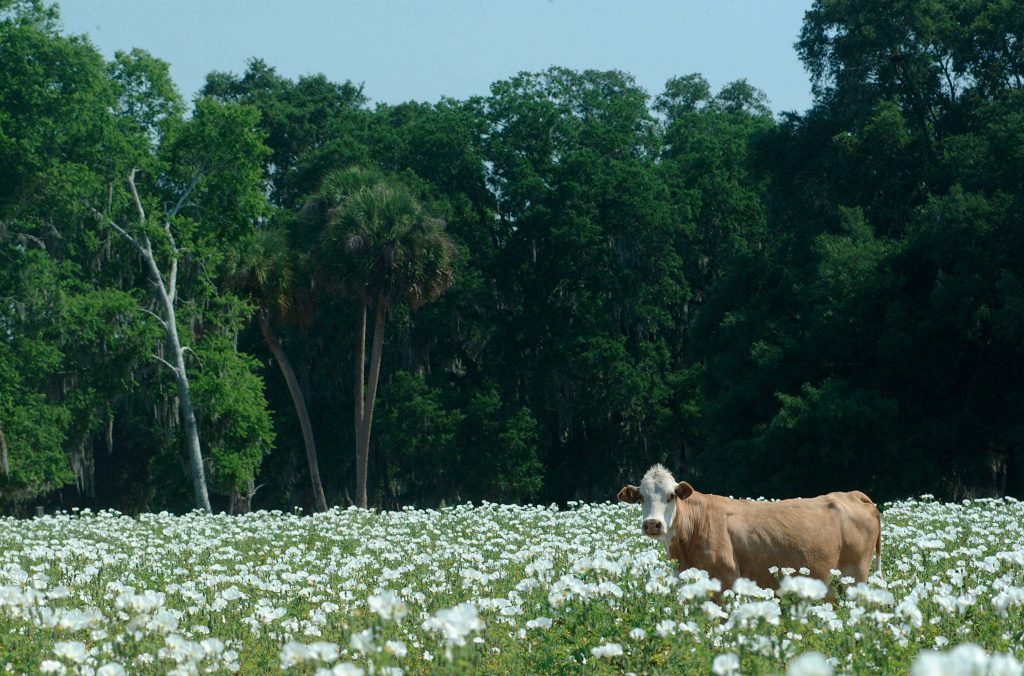
Yes! Cattle cause climate change in the right direction! Cattle, and beefiness production every bit whole, have a positive impact on the social, economic, and environmental aspects of the United States. It takes 36% less cattle to produce the same amount of beef now every bit it did in 1975. Nosotros are getting more and more than efficient every year, which is great since we'll need to produce seventy% more food to feed the world in 2050! Ranches are continuously sequestering carbon, allowing for groundwater recharge and providing open spaces for wildlife habitats and recreational activities while simultaneously crafting the worlds tiptop protein choice. If every American were to eliminate beefiness from the diet, only 1.9% of GHG emissions would exist eliminated. In reality, emissions from increased ingather production or other animate being products could easily eliminate whatever chance of reduced GHG emissions.
So What Can Nosotros Practise?
If eliminating beefiness from the diet (or meat in general) won't assist reduce climatic change, what will? Did y'all know that 20% of edible beefiness produced in the U.s. is wasted every yr? T hat'southward millions of pounds of beef heading straight to the landfill every unmarried year! Food waste is a major event, between 30 & twoscore% of food is wasted in the U.s.a.. Wasted food goes to landfills where its decomposition increases GHG emissions, in fact landfills business relationship for roughly 2.2% of the Us GHG emissions. If simply 50% less beef was wasted annually, beef sustainability would increment past 10%!
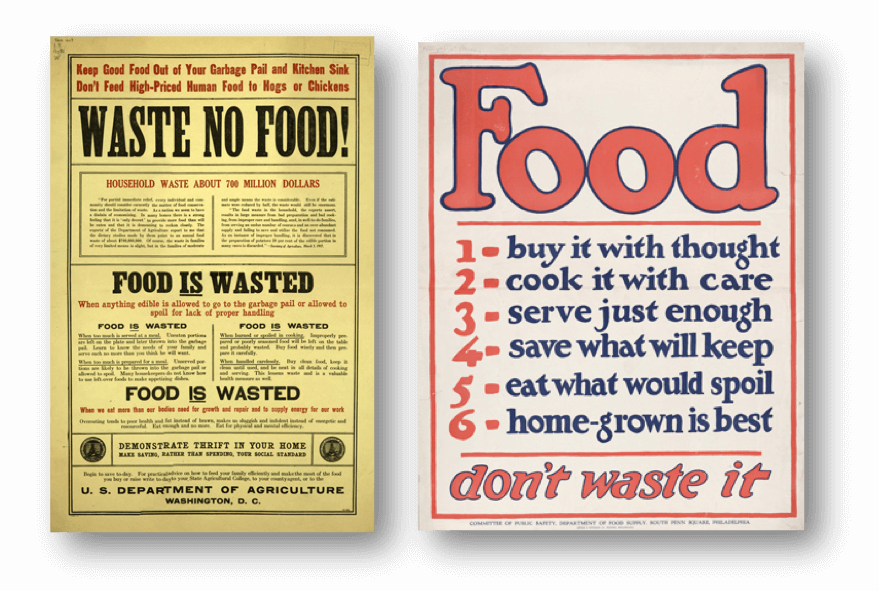
Wasting less food tin can be a major contribution every American can starting time today!
Learn more about the FACTS backside sustainable beef production here!
 0
0

Source: https://blogs.ifas.ufl.edu/bakerco/2019/09/27/cattle-do-cause-climate-change/
0 Response to "Black Carbon, Deforestation, and Beef Production Have Been Identified as Causes of"
Post a Comment